Caring for a loved one with memory loss can be an emotional and challenging journey. It’s natural for families to feel concerned about safety, quality of life, and keeping those special connections strong as cognitive abilities shift.
Fortunately, advancements in technology are transforming memory care in remarkable ways. Modern memory care communities are embracing innovative tools that enhance personalized care, improve communication, and support overall well-being.
Read on as we explore the ways technology is transforming memory care for seniors.
Enhancing Safety and Security Through Smart Monitoring
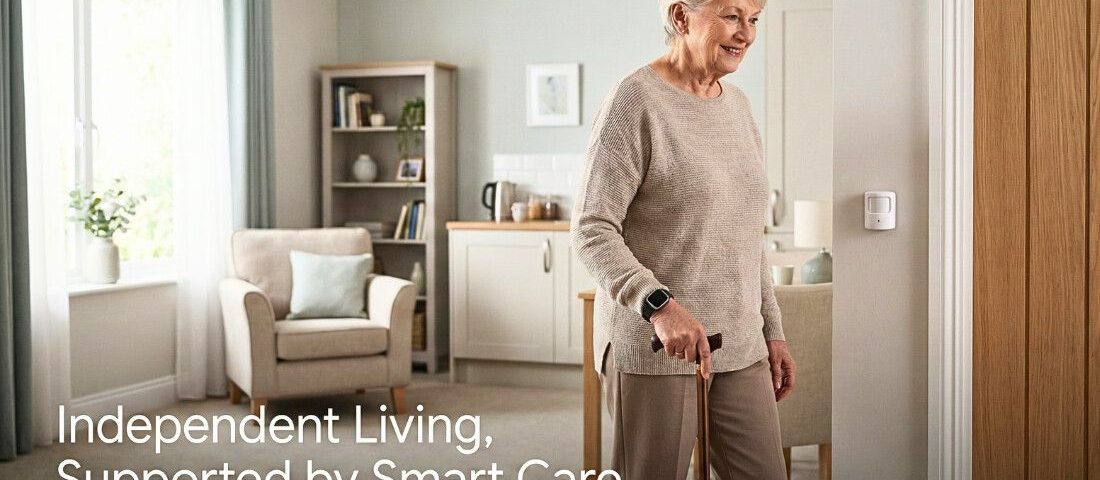
One of the significant advantages that technology offers in memory care is enhanced safety. For seniors dealing with Alzheimer’s or other forms of dementia, it can sometimes be challenging to navigate their surroundings. They might feel confused, wander off, or have trouble recognizing potentially risky situations.
Modern memory care communities now use discreet monitoring technologies, including:
- Motion sensors
- Wearable alert systems
- Emergency response tools
These technologies allow caregivers to respond quickly when a resident needs assistance or if unusual activity is detected. For example, motion sensors can alert staff if a resident leaves their room late at night or enters an unsafe area.
Additionally, GPS-enabled wearable devices provide an added layer of security. These devices help caregivers locate residents quickly if they wander.
Personalized Care Through Data and Digital Health Tools
Every senior dealing with memory loss has their own special needs, behaviors, and preferences. Thankfully, technology is stepping in to help caregivers provide more personalized and effective care.
Digital care management systems allow staff to monitor key daily health factors, including medication schedules, dietary needs, sleep patterns, and routines. By analyzing this information, caregivers can adjust care plans to support each resident’s comfort and health.
Electronic medical records also improve communication among doctors, nurses, and caregivers. This coordination helps prevent medication errors, improves response times during emergencies, and promotes better overall health outcomes.
Strengthening Emotional Well-Being with Therapeutic Technology
Technology isn’t just about ensuring safety and health; it also makes a big difference in boosting emotional well-being. Many communities are now embracing therapeutic tools especially designed for seniors, helping them connect and thrive.
These tools may include:
- Interactive tablets with memory games
- Music therapy programs
- Visual storytelling and reminiscence apps
Music therapy technology has shown significant benefits for individuals with dementia. Listening to familiar songs can trigger positive memories, reduce anxiety, and improve mood.
Virtual reality (VR) is another emerging tool in memory care. VR allows seniors to revisit familiar places, explore calming environments, or relive cherished moments.
Improving Communication Between Residents and Families
One of the toughest things about supporting parents with dementia can be that feeling of distance. It’s heart-wrenching to see memory loss make it hard for them to connect with loved ones.
However, technology is stepping in to help. With video calling apps, digital photo frames, and messaging tools, families can keep those important conversations going. It’s a wonderful way to stay close and share those special moments.
Many memory care communities assist residents by offering scheduled virtual visits. That helps them stay socially engaged and emotionally supported. Seeing familiar faces and hearing loved ones’ voices can reduce feelings of loneliness and confusion.
Some digital platforms also allow families to receive updates about their loved ones. It can cover daily activities, meals, participation in social programs, and more.
This transparency helps families to feel reassured and more connected to their loved one’s care experience.
Supporting Caregivers with Advanced Training and Tools
Caregivers are also benefiting from technology. Staff now have access to education platforms and virtual simulations that can help them develop new skills.
Care coordination platforms also streamline communication among staff, ensuring that residents receive consistent support throughout the day. When caregivers have access to accurate information and modern tools, they can focus more on building meaningful relationships with residents.
Encouraging Independence and Dignity
Maintaining independence and dignity is so important for seniors in memory care. Using helpful gadgets not only boosts their confidence but also helps them feel proud of their ability to handle daily tasks.
Helpful technologies supporting independence include:
- Automated medication reminders
- Voice-activated assistants
- Easy-to-use smart devices
- Adaptive lighting systems that support natural sleep cycles
By empowering seniors to participate in daily activities safely, technology helps preserve their sense of purpose and self-worth.
Questions Families Often Ask About Technology in Memory Care
How does technology improve safety for seniors with memory loss?
Technologies such as motion sensors, wearable alert systems, and GPS tracking help caregivers discreetly monitor residents and respond quickly to emergencies.
Is technology difficult for seniors with dementia to use?
Most memory care technologies feature intuitive, accessible interfaces. That includes large icons, voice commands, and personalized reminders.
Can technology replace human caregivers?
Technology enhances care but does not replace compassionate human interaction. Instead, it allows caregivers to provide more personalized and attentive support.
Does technology help with emotional and cognitive health?
Yes, tools like music therapy apps, virtual reality experiences, and interactive games can improve mood, stimulate memory, and encourage engagement.
How does technology help families stay connected?
Video calls, digital communication platforms, and real-time updates help families remain involved in their loved one’s daily care and emotional well-being.
Innovative Memory Care From Bethel Gardens
If you are exploring memory care options for your loved one, our community is here to help. Contact us today to learn more about how Bethel Gardens provides a supportive environment.